









Independent Home Energy Survey Bristol

Furbnow's Home Energy Plan gives Bristol homeowners a plan based on what their home needs, not what we're trying to shift.

Loved by 800+ homeowners

Independent Home Energy Survey Bristol

Furbnow's Home Energy Plan gives Bristol homeowners a plan based on what their home needs, not what we're trying to shift.

Loved by 800+ homeowners

Independent Home Energy Survey Bristol

Furbnow is an independent project manager and energy specialist — we design your upgrades and coordinate every tradesperson with no products to push and no conflicts of interest.

Loved by 800+ homeowners

The problem


The problem


You're motivated to act but getting the right advice is harder than it should be.

You're motivated to act but getting the right advice is harder than it should be.

Bristol's housing stock is dominated by Georgian and Victorian terraces - many in conservation areas, many with solid walls and no cavity to fill. Generic installer advice rarely applies. The problem most Bristol homeowners face isn't motivation; it's getting advice that actually fits their property.

Our solution

An independent assessment, not a sales visit

Our solution

An independent assessment, not a sales visit

Our solution

An independent assessment, not a sales visit

The right advice for your specific home

  • Every property in Bristol is different - we survey yours first so nothing gets guessed or missed

  •  We cut through the conflicting recommendations and give you one clear, sequenced plan you can trust

  • We don't sell insulation, heat pumps, or solar panels — so the advice reflects what your home needs, not what we have a financial interest in selling

A survey that considers your whole home

  • Physical inspection of walls, roof, floors, windows, and doors - recording construction type, insulation levels, and ventilation

  • Energy modelling - a government-approved digital model of your home, calculating the precise impact of each potential improvement

  • Additional elements include the checking cavity wall insulation

Get a plan you can actually use

  • Phased recommendations with cost estimates, annual bill savings, CO2 reduction, and EPC impact per measure

  • Designed to be worked through at your own pace - the first step is often modest before committing to larger works 

  • Paired with a consultation call to walk through the findings, answer questions, and agree next steps  

What a Bristol home energy survey typically recommends

Remember, every home is different and we check over 40 different elements of your home. Your recommendations will be unique to you.

Ventilation

Georgian and Victorian terraces in Bristol - many of which have been gradually draught-proofed over the decades - frequently have moisture problems. Humidity-controlled extract fans in wet rooms, trickle vents in habitable rooms, and adequate door undercuts form an integrated system that manages moisture properly.

Solid wall insulation

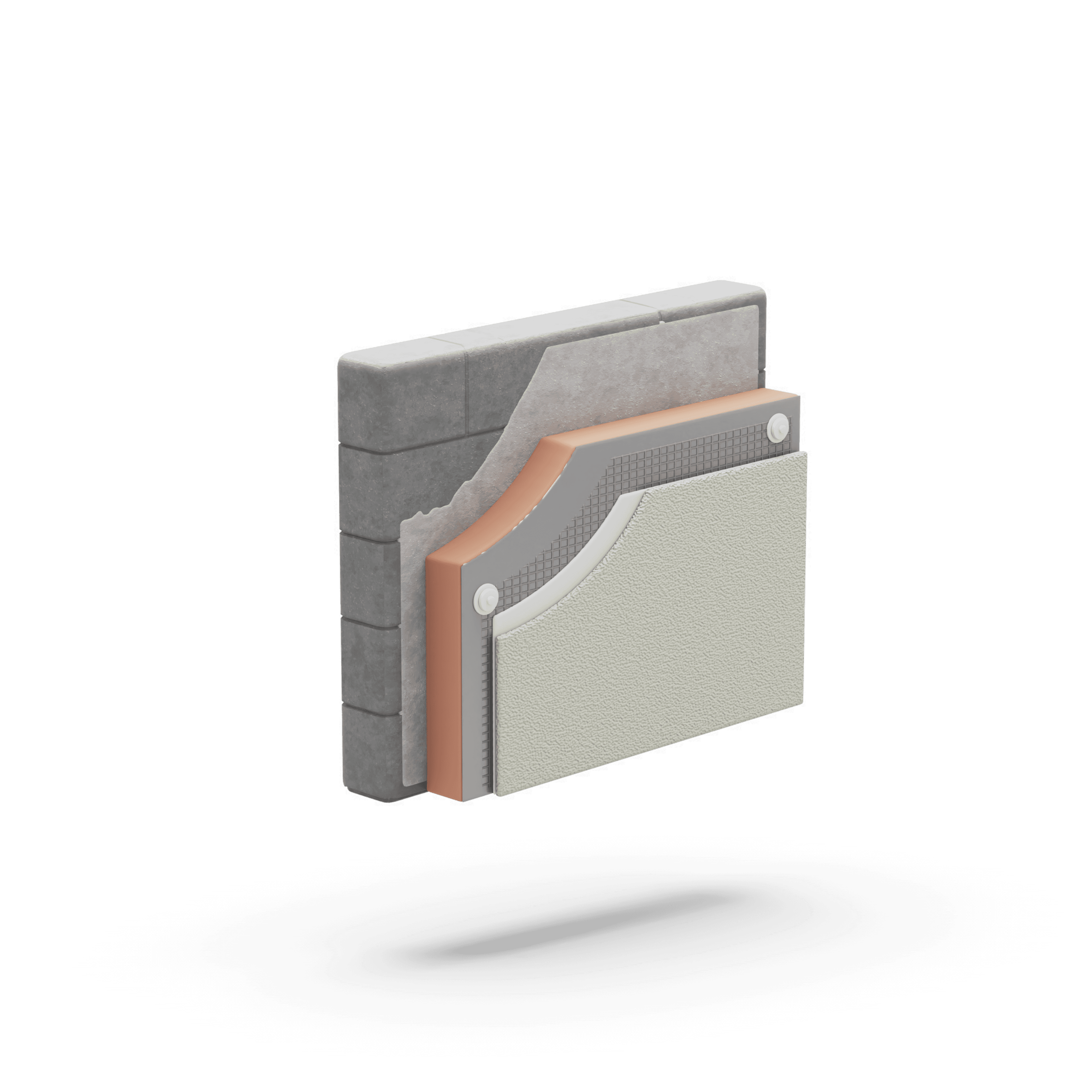
Most Bristolian Georgian and Victorian terraces have solid walls with no cavity. Internal wall insulation is typically the only viable route for properties in conservation areas where external changes are restricted. It can be done room by room as budget allows, which suits the phased approach most homeowners take. Your assessor will advise on the right approach, including how to detail window junctions correctly to avoid cold bridges.

Loft Insulation

For Bristol terraces with accessible loft space, topping up to 300mm depth is often the most cost-effective first step. In some mid-terrace configurations, loft access and insulation options are more limited - your assessor will identify what's achievable for your specific property.

Heating System Review

The survey will assess whether your current boiler is efficient and correctly sized, and advise on when a heat pump might make sense - which depends on having fabric improvements in place first to reduce heat demand.

Solar

For Bristol terraces, semis and detached homes with south-facing rear roof slopes, solar panels can meaningfully reduce electricity bills. Your assessor will assess roof orientation, available area, and any planning considerations before recommending a system size.

What a Bristol home energy survey typically recommends

Remember, every home is different and we check over 40 different elements of your home. Your recommendations will be unique to you.

Ventilation

Georgian and Victorian terraces in Bristol - many of which have been gradually draught-proofed over the decades - frequently have moisture problems. Humidity-controlled extract fans in wet rooms, trickle vents in habitable rooms, and adequate door undercuts form an integrated system that manages moisture properly.

Solid wall insulation

Most Bristolian Georgian and Victorian terraces have solid walls with no cavity. Internal wall insulation is typically the only viable route for properties in conservation areas where external changes are restricted. It can be done room by room as budget allows, which suits the phased approach most homeowners take. Your assessor will advise on the right approach, including how to detail window junctions correctly to avoid cold bridges.

Loft Insulation

For Bristol terraces with accessible loft space, topping up to 300mm depth is often the most cost-effective first step. In some mid-terrace configurations, loft access and insulation options are more limited - your assessor will identify what's achievable for your specific property.

Heating System Review

The survey will assess whether your current boiler is efficient and correctly sized, and advise on when a heat pump might make sense - which depends on having fabric improvements in place first to reduce heat demand.

Solar

For Bristol terraces, semis and detached homes with south-facing rear roof slopes, solar panels can meaningfully reduce electricity bills. Your assessor will assess roof orientation, available area, and any planning considerations before recommending a system size.

What a Bristol home energy survey typically recommends

Remember, every home is different and we check over 40 different elements of your home. Your recommendations will be unique to you.

Ventilation

Georgian and Victorian terraces in Bristol - many of which have been gradually draught-proofed over the decades - frequently have moisture problems. Humidity-controlled extract fans in wet rooms, trickle vents in habitable rooms, and adequate door undercuts form an integrated system that manages moisture properly.

Solid wall insulation

Most Bristolian Georgian and Victorian terraces have solid walls with no cavity. Internal wall insulation is typically the only viable route for properties in conservation areas where external changes are restricted. It can be done room by room as budget allows, which suits the phased approach most homeowners take. Your assessor will advise on the right approach, including how to detail window junctions correctly to avoid cold bridges.

Loft Insulation

For Bristol terraces with accessible loft space, topping up to 300mm depth is often the most cost-effective first step. In some mid-terrace configurations, loft access and insulation options are more limited - your assessor will identify what's achievable for your specific property.

Heating System Review

The survey will assess whether your current boiler is efficient and correctly sized, and advise on when a heat pump might make sense - which depends on having fabric improvements in place first to reduce heat demand.

Solar

For Bristol terraces, semis and detached homes with south-facing rear roof slopes, solar panels can meaningfully reduce electricity bills. Your assessor will assess roof orientation, available area, and any planning considerations before recommending a system size.

We've helped over 800 homeowners go from confused to confident

We've helped over 800 homeowners go from confused to confident

"It's scary how many builders give conflicting advice and don't understand energy efficiency. Furbnow made everything understandable."

Claire, Birmingham

"It's scary how many builders give conflicting advice and don't understand energy efficiency. Furbnow made everything understandable."

Claire, Birmingham

"It's scary how many builders give conflicting advice and don't understand energy efficiency. Furbnow made everything understandable."

Claire, Birmingham

"Furbnow has been really helpful, providing both expertise and experience in identifying suitable products and installers."

Andrew, Reigate

"Furbnow has been really helpful, providing both expertise and experience in identifying suitable products and installers."

Andrew, Reigate

"Furbnow has been really helpful, providing both expertise and experience in identifying suitable products and installers."

Andrew, Reigate

"What really stood out to me was how Furbnow takes care of everything — from managing the project to coordinating contractors. It’s reassuring to know I don’t have to chase anyone."

David, Surrey

"What really stood out to me was how Furbnow takes care of everything — from managing the project to coordinating contractors. It’s reassuring to know I don’t have to chase anyone."

David, Surrey

"What really stood out to me was how Furbnow takes care of everything — from managing the project to coordinating contractors. It’s reassuring to know I don’t have to chase anyone."

David, Surrey

How it works

Step 1 - Book your survey

Start with a 15-minute, no-obligation chat to discuss your home and goals, and to see if we're a good fit for your what you're after

Step 2 - Home visit

Physical inspection and scan of your entire property - walls, roof, floors, windows, heating system, and ventilation. Typically two to three hours.

Step 3 - Energy modelling and plan

Your coordinator builds a digital model using our software and produces your Home Energy Plan - phased recommendations with cost, bill savings, CO2 reduction, and EPC impact per measure.

Step 4 - Consultation Call

 Walk through the plan together, ask questions, and agree how to move forward - whether that's acting independently or asking Furbnow to manage the project.

Hear about John's home renovation with Furbnow

Hear about John's home renovation with Furbnow

We transformed John's 1930s semi-detached house in Leeds with cavity wall insulation, double glazing, solar panels and a heat pump. His EPC rating shot from a D to a B, and now his home feels much warmer.

We transformed John's 1930s semi-detached house in Leeds with cavity wall insulation, double glazing, solar panels and a heat pump. His EPC rating shot from a D to a B, and now his home feels much warmer.

Ready to find out how to make your home warmer and more energy efficient?

Begin your journey to a warmer, more efficient home today

FAQs

Frequently asked questions

For anything else just get in touch, we're a lovely bunch!

How much does a home energy survey in Bristol cost?

Furbnow's Home Energy Plan is a fixed-fee service opf £450 covering the physical survey, RdSAP energy modelling, and your written plan including a consultation call with your coordinator. Independent advice isn't subsidised by a product commission. The fee is typically a fraction of what you'd spend on a single improvement.

How long does the survey take?

The home visit typically takes two to three hours depending on the size and complexity of your property. Your written plan is usually delivered within a few days.

My Bristol property is in a conservation area - does that affect my options?

It can affect external options, particularly external wall insulation on front elevations. Your assessor will identify what is and isn't achievable for your specific property and planning situation. In most cases, internal wall insulation remains a viable route, and measures such as loft insulation, floor insulation, and ventilation improvements are typically unaffected by conservation area designation.

I've already researched my options and know roughly what I want to do - is a survey still worth it?

Yes. Several Furbnow customers in Bristol and the surrounding area came to the survey already well-informed. What they found most useful was the sequencing, the cost estimates per measure, and the confidence of knowing the plan was built around their specific home rather than borrowed from a generic guide.

What's the difference between a home energy survey and an EPC?

An EPC gives your home a standardised rating from A to G with generic recommendations. A home energy survey is tailored to your specific property, considers your priorities and budget, and produces a sequenced plan with cost and savings estimates per measure.

Do I need a survey before getting solar panels?

It's advisable. A solar assessment will be more accurate once you know how much electricity your home is likely to use after fabric improvements and, potentially, after switching to a heat pump. System size depends on demand, and a whole-house survey helps you model that correctly.

What happens after the survey?

You receive your written Home Energy Plan and a consultation call with your coordinator. You can then act on the plan yourself or ask Furbnow to manage the project, including sourcing quotes from vetted installers and carrying out independent quality checks.

How is a Furbnow survey different from a free survey offered by an installer?

Free surveys are carried out by companies that make money selling you a specific product. The advice you receive reflects that. Furbnow is not affiliated with any installer or product, so the recommendations are based entirely on what your home needs. Several Surrey customers came to Furbnow specifically after receiving conflicting advice from installer surveys.

FAQs

Frequently asked questions

For anything else just get in touch, we're a lovely bunch!

How much does a home energy survey in Bristol cost?

Furbnow's Home Energy Plan is a fixed-fee service opf £450 covering the physical survey, RdSAP energy modelling, and your written plan including a consultation call with your coordinator. Independent advice isn't subsidised by a product commission. The fee is typically a fraction of what you'd spend on a single improvement.

How long does the survey take?

The home visit typically takes two to three hours depending on the size and complexity of your property. Your written plan is usually delivered within a few days.

My Bristol property is in a conservation area - does that affect my options?

It can affect external options, particularly external wall insulation on front elevations. Your assessor will identify what is and isn't achievable for your specific property and planning situation. In most cases, internal wall insulation remains a viable route, and measures such as loft insulation, floor insulation, and ventilation improvements are typically unaffected by conservation area designation.

I've already researched my options and know roughly what I want to do - is a survey still worth it?

Yes. Several Furbnow customers in Bristol and the surrounding area came to the survey already well-informed. What they found most useful was the sequencing, the cost estimates per measure, and the confidence of knowing the plan was built around their specific home rather than borrowed from a generic guide.

What's the difference between a home energy survey and an EPC?

An EPC gives your home a standardised rating from A to G with generic recommendations. A home energy survey is tailored to your specific property, considers your priorities and budget, and produces a sequenced plan with cost and savings estimates per measure.

Do I need a survey before getting solar panels?

It's advisable. A solar assessment will be more accurate once you know how much electricity your home is likely to use after fabric improvements and, potentially, after switching to a heat pump. System size depends on demand, and a whole-house survey helps you model that correctly.

What happens after the survey?

You receive your written Home Energy Plan and a consultation call with your coordinator. You can then act on the plan yourself or ask Furbnow to manage the project, including sourcing quotes from vetted installers and carrying out independent quality checks.

How is a Furbnow survey different from a free survey offered by an installer?

Free surveys are carried out by companies that make money selling you a specific product. The advice you receive reflects that. Furbnow is not affiliated with any installer or product, so the recommendations are based entirely on what your home needs. Several Surrey customers came to Furbnow specifically after receiving conflicting advice from installer surveys.

FAQs

Frequently asked questions

For anything else just get in touch, we're a lovely bunch!

How much does a home energy survey in Bristol cost?

Furbnow's Home Energy Plan is a fixed-fee service opf £450 covering the physical survey, RdSAP energy modelling, and your written plan including a consultation call with your coordinator. Independent advice isn't subsidised by a product commission. The fee is typically a fraction of what you'd spend on a single improvement.

How long does the survey take?

The home visit typically takes two to three hours depending on the size and complexity of your property. Your written plan is usually delivered within a few days.

My Bristol property is in a conservation area - does that affect my options?

It can affect external options, particularly external wall insulation on front elevations. Your assessor will identify what is and isn't achievable for your specific property and planning situation. In most cases, internal wall insulation remains a viable route, and measures such as loft insulation, floor insulation, and ventilation improvements are typically unaffected by conservation area designation.

I've already researched my options and know roughly what I want to do - is a survey still worth it?

Yes. Several Furbnow customers in Bristol and the surrounding area came to the survey already well-informed. What they found most useful was the sequencing, the cost estimates per measure, and the confidence of knowing the plan was built around their specific home rather than borrowed from a generic guide.

What's the difference between a home energy survey and an EPC?

An EPC gives your home a standardised rating from A to G with generic recommendations. A home energy survey is tailored to your specific property, considers your priorities and budget, and produces a sequenced plan with cost and savings estimates per measure.

Do I need a survey before getting solar panels?

It's advisable. A solar assessment will be more accurate once you know how much electricity your home is likely to use after fabric improvements and, potentially, after switching to a heat pump. System size depends on demand, and a whole-house survey helps you model that correctly.

What happens after the survey?

You receive your written Home Energy Plan and a consultation call with your coordinator. You can then act on the plan yourself or ask Furbnow to manage the project, including sourcing quotes from vetted installers and carrying out independent quality checks.

How is a Furbnow survey different from a free survey offered by an installer?

Free surveys are carried out by companies that make money selling you a specific product. The advice you receive reflects that. Furbnow is not affiliated with any installer or product, so the recommendations are based entirely on what your home needs. Several Surrey customers came to Furbnow specifically after receiving conflicting advice from installer surveys.