
Warmer, quieter rooms start with the right windows
Windows are one of the thinnest parts of your home's building fabric and one of the most common sources of heat loss, draughts, and condensation. The right approach to improving them depends on the condition of your existing frames, what problem you're trying to solve, and whether you're in a conservation area.
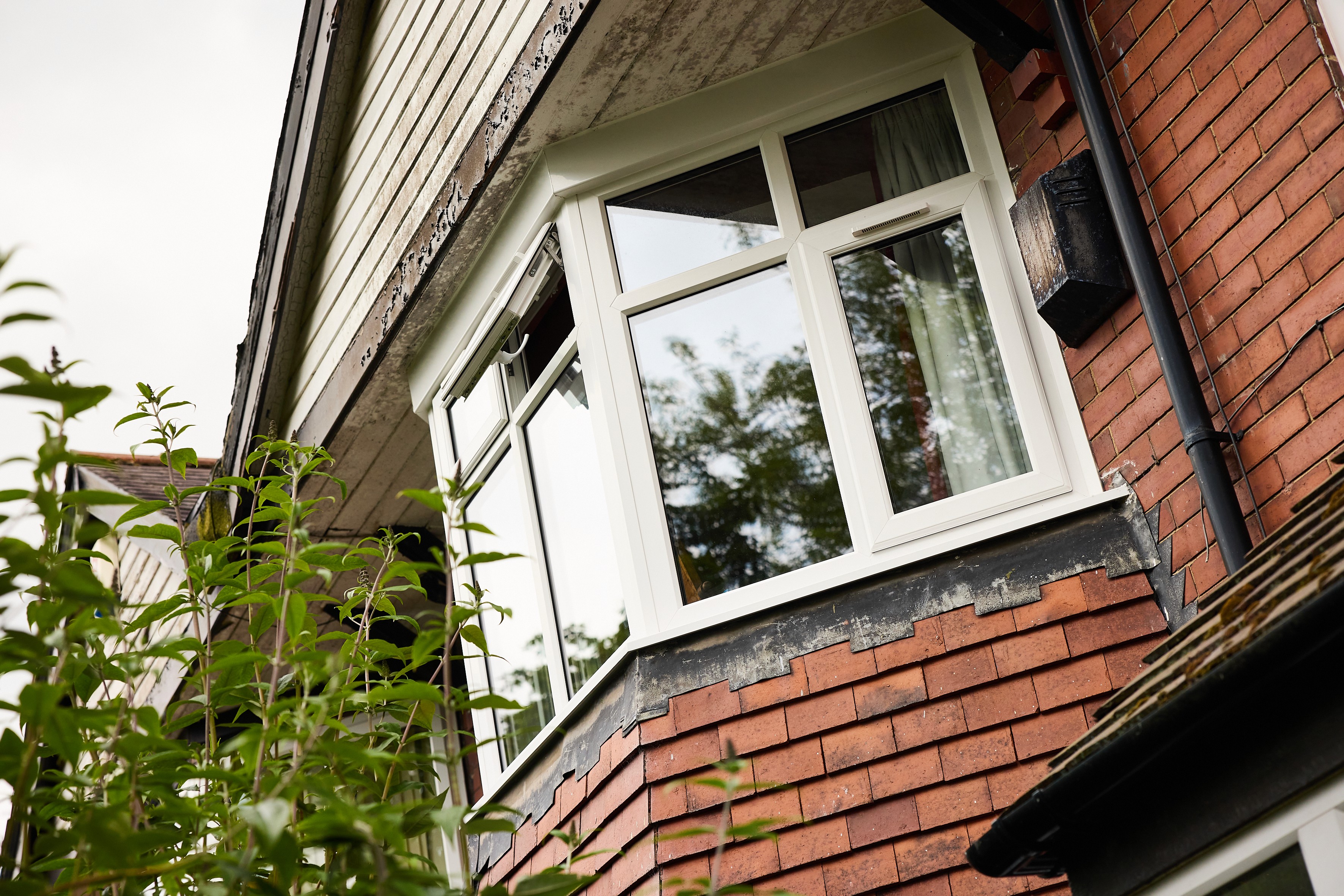
Why windows matter
Single-glazed windows, or older, damaged windows can be a significant source of heat loss, draughts and condensation. Beyond energy performance, window upgrades improve comfort in ways that are immediately noticeable. Rooms feel warmer because the glass surface is closer to room temperature, reducing the cold radiating effect you feel near old windows. Street noise drops. Condensation on the glass reduces or stops entirely.
When windows need upgrading
Homeowners often describe the same few symptoms: draughts around the frame, condensation on the glass, or cold radiating from a large window. Each can mean something quite different. Condensation between the panes usually means the seal between the two layers of glass has broken down, letting moisture in. That means the glass unit needs replacing, but not necessarily the whole window. Draughts around the frame might be a maintenance fix - resealing or repairing the hardware. Cold radiation from the glass surface points to a deeper thermal performance issue that warrants an upgrade.
Getting the diagnosis right matters because the right response can range from a minor repair to a full replacement. A site visit is the only reliable way to know which one you need.
Your options
The first question is whether to work with your existing windows or replace them entirely. There are three main routes:
Retrofitting existing glazing works best when the frame is sound but the sealed unit has failed or you're upgrading from single glazing. New sealed units are fitted into the existing frame. It's lower cost, lower disruption, and avoids replacing what doesn't need replacing.
Full window replacement is the right call when frames have failed, are too shallow for a sealed unit, or the configuration needs changing. It's more disruptive and costs more, but delivers the best overall thermal performance with new frames, modern seals, and up-to-date glazing.
Secondary glazing adds an extra pane on the room side of an existing window. It's a good option where the original windows need to stay - listed buildings, conservation areas, or period properties. Low disruption, lower cost, and particularly effective for reducing noise and draughts.
Frame material is the other key choice:
uPVC is cost-effective and low maintenance, but limited in sizing. Profiles are fixed by the manufacturer, so it doesn't suit every opening or aesthetic.
Timber costs more upfront, but the maintenance argument against it is often overstated. Modern factory-applied finishes are more durable than older timber frames, and timber offers better repairability.
Aluminium is slim, structurally rigid, and takes a wide range of finishes. It's increasingly popular for extensions and larger openings where you want maximum glass and minimal frame. It costs more, but for many homeowners the slimmer sightlines justify the premium.
"It's always how it's installed that's going to affect its final performance. People who shop just looking at price without understanding what installation quality means in practice end up with windows that don't deliver what they expected."
Raychelle Lemi, Architectural Technologist at Furbnow

What to be aware of
The specification of the glass gets most of the attention, but installation quality plays a great role in its real-world performance. A window installed with gaps around the frame or inadequate sealing at the perimeter will underperform regardless of its rated U-value. Making sure the installer follows the manufacturer's guidance matters as much as the glazing specification itself.
Four things drive the cost of a window project: frame material, glazing specification, hardware quality, and installation complexity. On older properties, the installation itself can add significantly - structural timber repairs, coving that needs reinstating, or scaffolding for restricted access. Getting a survey done early means these factors are picked up and included in the estimate rather than surfacing as surprises mid-project.
In conservation areas or listed buildings, window replacement requires approval before any work begins. Depending on the listing grade, replacement may not be permitted at all, and a heritage consultant should be involved early to support the application. Never assume permitted development applies in a conservation area without checking.
How Furbnow approaches windows
We assess your windows as part of a whole-house survey, looking at their condition and thermal performance alongside everything else. If window upgrades are recommended, we help you understand the options - including what’s permitted in conservation areas - and design the work alongside other improvements so nothing gets done in the wrong order.
Book a free call to talk through your situation and find out how we can help.
Frequently asked questions
Is triple glazing worth the extra cost?
Do I need planning permission to replace my windows?
What about sash windows?
Should I retrofit my existing windows or replace them?
How important is installation quality?
0330 165 6147
AWARDS & RECOGNITION