
Spray Foam Insulation Problems: What to Know

Tom Woodward
In brief
Spray foam insulation carries risks that many homeowners don't fully appreciate before installation. From moisture damage to timber, to serious impacts on property value and mortgage eligibility, there are good reasons to think carefully before choosing spray foam - and better alternatives worth considering.
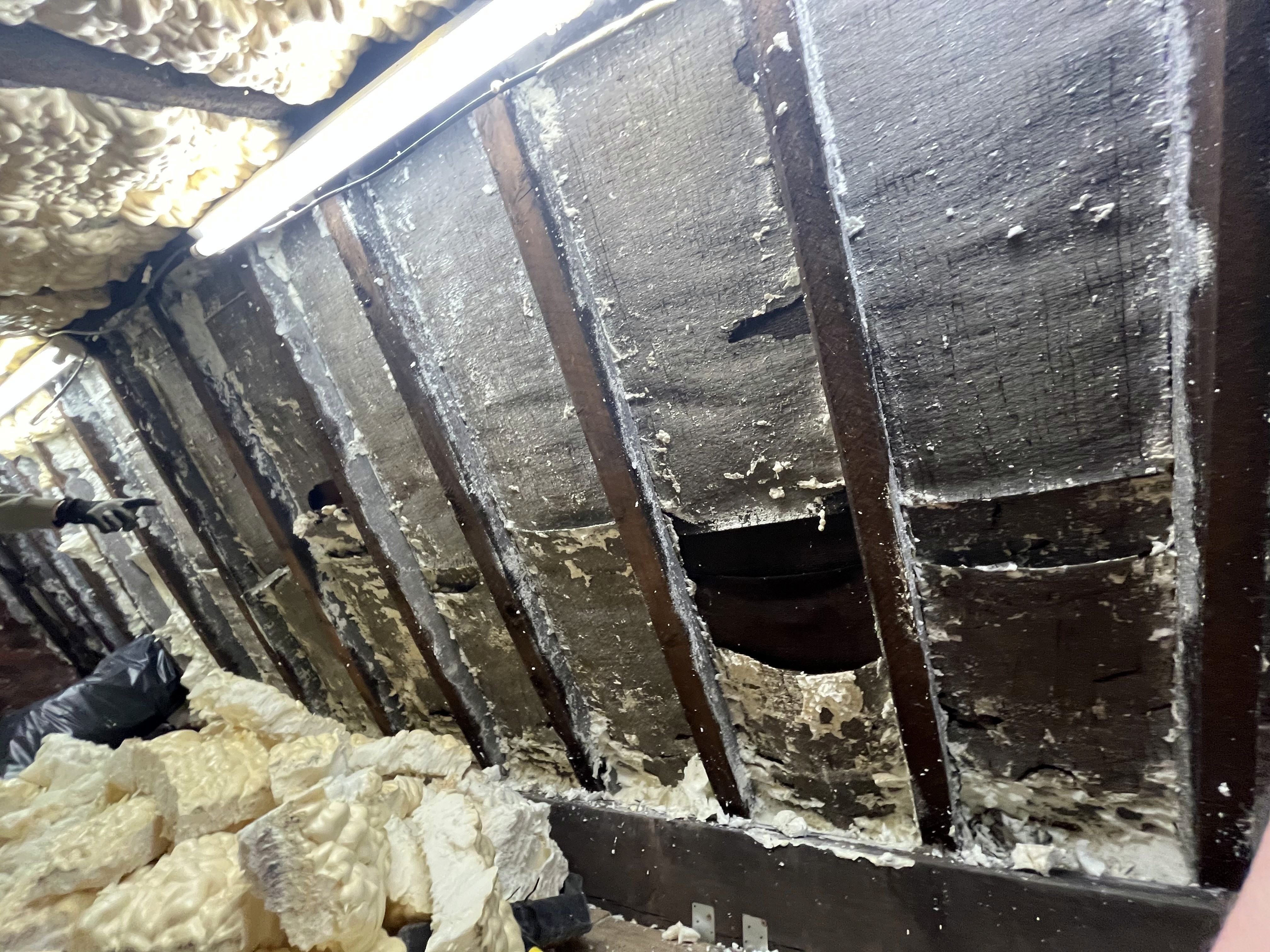
I’m still not comfortable with spray foam insulation. Whether it’s applied in rafters, floors, or walls, I think there’s a lot of risk involved - and I would push homeowners against doing it.
That might sound like a strong position, but it comes from seeing what can go wrong when spray foam is installed without a full understanding of how a building behaves. The problems aren’t always obvious straight away, but when they emerge, they can be serious and expensive to put right.
Moisture and timber damage
The core issue with spray foam is what it does to moisture movement. While it might work in some situations, there’s a real risk that timbers can get damaged by having moisture trapped against them. Spray foam creates an airtight seal, which sounds like a good thing - but in older properties especially, that seal can prevent moisture from escaping the way it normally would.
With floors, one has to be very careful about what is being sprayed on. If you’re insulating over damp timber that already has some moisture content and you seal it in with spray foam, you’ve created the conditions for rot. You also need to think about what else is under those floorboards. Cables and pipes underneath are not always easy to inspect once foam is sprayed over them, and there’s a particular concern about electricity cables being covered and inaccessible.
Ventilation problems
A principle I come back to constantly in retrofit work is “build tight, ventilate right.” Improving the thermal performance of a building’s fabric is only half the job - you have to make sure ventilation is properly addressed at the same time.
Spray foam can work against this. You don’t want to block up air bricks, for example. With rafters, again, you’re trapping moisture if ventilation paths are sealed off. There’s a reason those air gaps exist in traditional construction, and spray foam can close them without offering a proper alternative moisture escape route.
Is spray foam in the loft effective?
Spraying at rafter level in a loft is not effective if you’re not actually using that space. All that heat would still rise into the loft void above your living space. If the loft is unused, it makes much more sense to insulate the joists instead.
Property value and mortgage problems
This is the part that catches a lot of homeowners off guard. I know a lot of surveyors and valuers are now very cautious about spray foam, and having it installed can affect people’s ability to get mortgages and can seriously devalue their property.
It’s not a theoretical concern. Lenders are increasingly asking about spray foam during the survey process, and some will refuse to lend on properties where it’s been installed. If you’re planning to sell at any point, or remortgage, this is something you need to take seriously before installation - not after.
What to use instead
I would definitely steer away from spray foam and encourage flexible insulation materials such as mineral wool.
For floors, if you can lift up floorboards or you have a bigger void to work with, a mineral wool insulation product is what I’d suggest. It’s better for floors because it allows for movement in the joists. Rigid board is another option that can go in between joists, though mineral wool’s flexibility gives it an advantage - with rigid products, there’s a risk that insulation could fall down if there’s any movement over time and no other structural supports in place.
I recognise that there is one floor product on the market that uses spray foam and promotes itself as being able to access voids that are otherwise inaccessible, making it less disruptive for the customer. That specific use case - genuinely inaccessible voids where no other product can reach - is the only scenario where I can see a limited argument for spray foam. But even then, the broader concerns about moisture and future access remain.
Being honest, the right product isn’t always the cheapest. Some customers also have preferences about the materials used in their home - some don’t want petroleum-based products for ethical reasons, which is another point against most spray foam formulations. Whatever the situation, it’s worth consulting manufacturers about the specific wall or floor setup before choosing a product, and in more complex cases, hydrothermal modelling can assess condensation risk before any work begins.
I would push homeowners against spray foam - the risks to timber, ventilation, and property value are too significant to ignore.
If you’re unsure whether spray foam has been installed in your home, or you’re weighing up insulation options and want honest guidance, book a free call to talk through your situation and work out the right next step.
0330 165 6147
AWARDS & RECOGNITION