How to Insulate an Old House

Raychelle Lemi
In brief
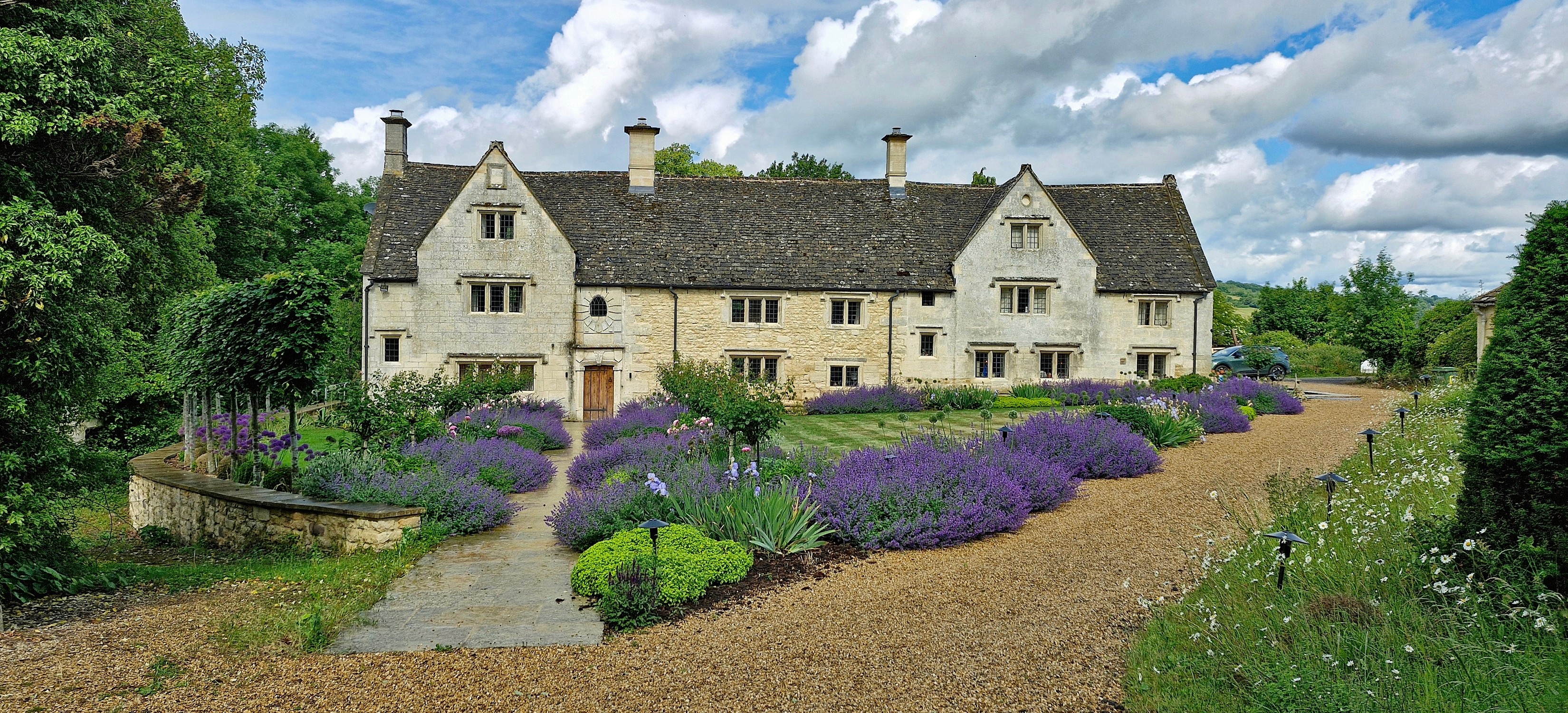
Insulating an older home is not the same as insulating a modern one. The building has been managing heat and moisture in its own way for decades, and if you change that balance without understanding it first, you can create problems worse than the ones you started with. Before adding insulation, you need to understand how your home currently works.
Why older houses need a different approach
Insulating older properties compared to modern ones is tricky because you have to work with the existing structure of the walls, roof, and floors. Modern homes are already built to better standards, so the insulation requirements are not as involved. An older building was built to a lower standard, which means there is more to consider - and more that can go wrong if you rush it.
With cavity walls, you need to investigate whether there is already insulation in the cavity, what condition the cavity is in, and then specify the correct insulation and remedial works required for the situation. With solid walls, you need to maintain the building’s breathability, especially if the walls have been exposed during the building’s lifetime. That means insulating with breathable materials like wood fibre and mineral wool, not sealing everything up with materials that trap moisture inside the wall.
There is also the appearance to consider. Internal wall insulation might not change the outside of your home, but external insulation changes how your house looks entirely - and in many cases requires planning permission.
Draughts versus ventilation
The simplest framing I use with homeowners is that draughts are uncontrolled air movement through gaps you have not chosen - around ageing windows, skirting boards, letterboxes, uninsulated doors and poorly fitted windows. Ventilation is intentional. It is sized, specced, and located in the right place, deliberately bringing fresh air into the property.
This distinction is especially important in older properties. The building has been breathing through its gaps for as long as it has stood. If you add insulation, seal it with better-performing windows, and increase the airtightness without providing controlled ventilation elsewhere, there is less fresh air coming into the home. You are restricting the building from breathing as it did before, creating moisture problems which can develop into mould. Mechanical ventilation, passive vents, and other forms of deliberate ventilation all have a role to play in older properties.
Choosing the right insulation material
The material you choose matters as much as where you put it.
Mineral wool is widely used across the construction industry. It allows moisture vapour to pass through, which makes it a reasonable choice for lofts and wall insulation. But mineral wool needs to stay dry to perform, so installation detail matters - from the design stage all the way through to the fitting itself.
Cellulose is made from recycled newspaper. It is hygroscopic, meaning it handles moisture buffering well, and it is a good fit for older properties when blown into floors and roofs. It is underused in the UK, but it has real strengths for retrofit work.
Spray foam is controversial for several reasons. Closed-cell spray foam does not allow moisture to pass through. If you apply it to a roof structure, it bonds to the rafters and prevents inspection of the timbers underneath. If a homeowner ever needs to remove or replace it, that is extremely difficult and can damage the existing structure. In older houses where the roof timbers are the primary structural element, spray foam can trap moisture within the structure with no way of monitoring the condition. That can lead to serious long-term risks including mould and structural problems. There are open-cell versions that perform differently, but the risks make it difficult for me to recommend spray foam to any homeowner.
Wood fibre and mineral wool are what I generally choose for internal wall insulation on solid-wall properties. They are breathable, robust, and well-supported, and it is easier to obtain hygrothermal modelling - analysis that predicts how moisture will behave within the wall over time - when specifying these materials.
Getting the specification right
Choosing a material is only part of it. Different suppliers and manufacturers offer different systems, and what works depends on the existing fabric of your property. I always have a conversation with homeowners about what their budget allows and what we can specify at the same time in terms of managing moisture risk.
Manufacturers can provide detailed modelling - hygrothermal analysis and condensation risk calculations - to make sure the system being specified works within the existing fabric of the property, not just a generic specification applied regardless of context.
Do not overlook your heating system
Even well-insulated homes can underperform if the heating system is working against you. Older properties often have a single heating zone, a basic thermostat, and no weather compensation. Before jumping to a major heating upgrade like a heat pump, it is worth looking at what your current system can do with better controls.
Adding thermostatic radiator valves (TRVs) lets you control the temperature in individual rooms. A smart controller with load compensation adjusts the boiler output to match what the house actually needs, and weather compensation adjusts heating based on outside temperature. Together, these can reduce energy use at a fraction of the cost of a full system change. It is always worth doing first.
If you are considering a heat pump, the main challenge in older properties is the flow temperature. A standard pre-1980s central heating system is typically designed for a 70 to 80 degree flow, which suits a gas boiler well. Heat pumps operate most efficiently at 35 to 45 degrees, meaning the existing radiators are undersized for the lower flow temperature. You would either need to upsize them or accept reduced efficiency. A well-insulated older house with upgraded radiators can work well with an air source heat pump - but dropping one into an uninsulated property with original radiators and expecting it to perform is not realistic. The heat being produced would be lost through the fabric faster than the system can replace it, resulting in higher electricity bills.
Understand before you intervene
A lot of homeowners think they need maximum insulation everywhere immediately, but you do not need the thickest or the most insulation straight away. You need to first understand that insulating a home means managing moisture through the fabric, which is especially important in older houses. They were not designed to be airtight. Before you change that relationship, you need to understand how the building is currently working - where the moisture is going, how the heat is being released, and what the structure can tolerate.
A good retrofit starts with a whole-house assessment, not a list of products. And sequencing matters as much as the measures themselves - you need to have ventilation ready before a building becomes more airtight.
What to do next
If you are thinking about insulating an older home and not sure where to start, book a free call to talk through your situation. We will help you understand your options and work out the right next step for your home.
0330 165 6147
AWARDS & RECOGNITION